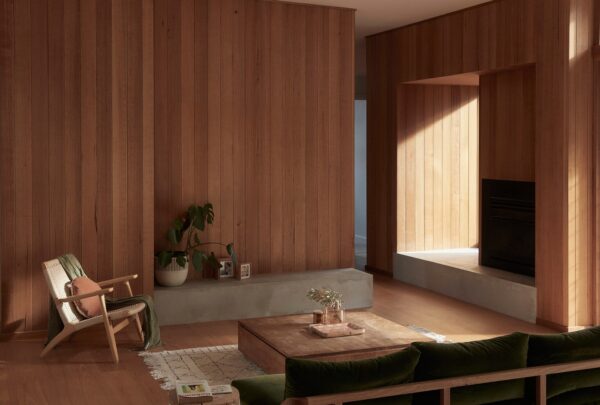
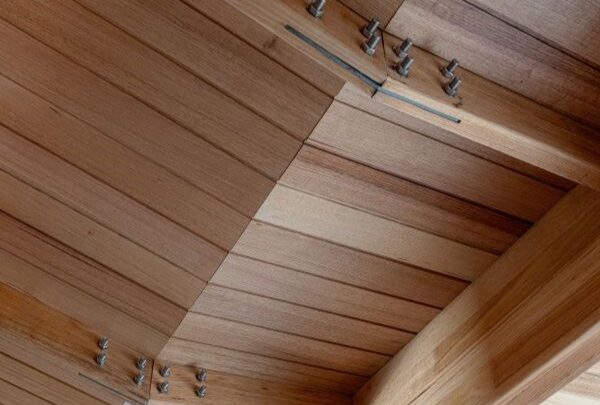
Internal timber lining is an effective way to add warmth, texture and longevity to Australian homes and commercial interiors. Whether you’re a builder, installer or experienced DIY renovator, ASH’s range of Australian-made hardwood lining boards provides a durable, natural finish that’s designed for our climate, our standards and our construction methods.
This guide walks through the essential steps for installing ASH’s internal timber lining on walls and ceilings.
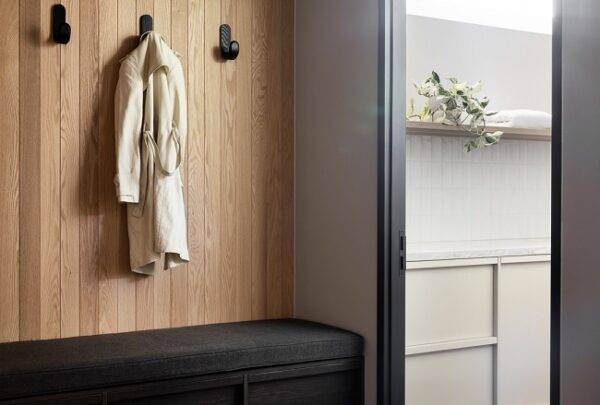
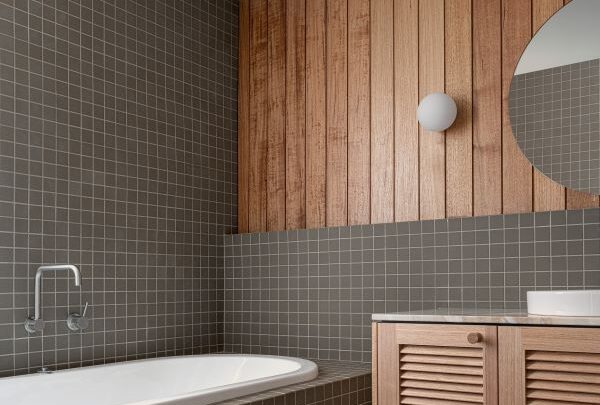
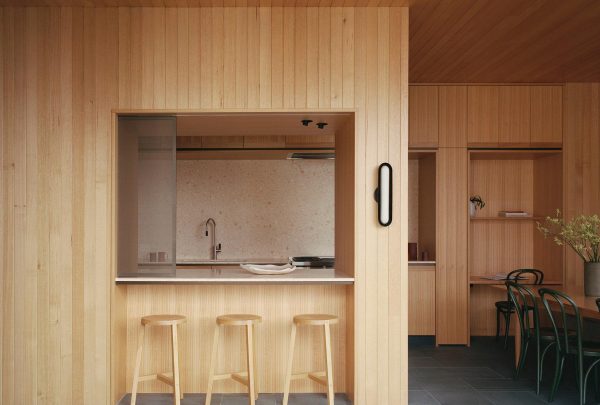
Hardwood timber lining offers visual interest, warmth and comfort that other interior surfaces, like plasterboard, simply can’t match.
Beyond its durability and long-term performance, timber supports the principle of biophilic design, connecting people with nature to improve wellbeing, reduce stress and create more calming, human-centred spaces. Its organic characteristics, tactile surface and natural tones create more inviting spaces.
Timber lining also offers design versatility, longevity and a premium finish that enhances the value and liveability of any room.
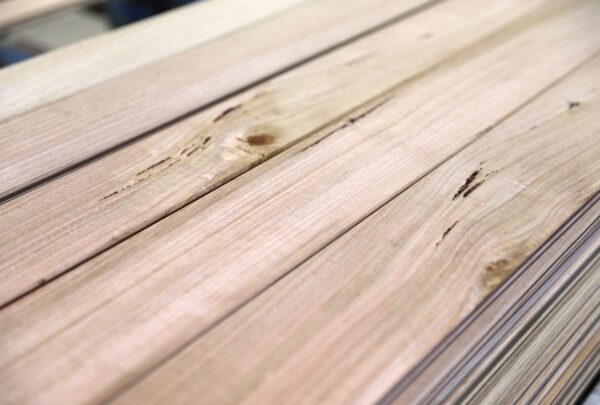
ASH lining boards are manufactured from high quality hardwoods including American Oak (Glacial Oak) and Australian-grown Tasmanian Oak (Australian Oak).
Choosing ASH lining boards that have been processed and manufactured at our facility in Heyfield, Victoria, means these products are designed to meet the requirements of Australian homes:
For builders, installers and renovators, this provides confidence that the product is reliable, compliant and built to perform in Australian conditions.
ASH offers two main profiles of internal lining, each suited to different installation styles and visual outcomes:
Both traditional and secret-fix options are precision-machined products using sustainably grown and kiln-dried hardwoods. For more detailed profile drawings and available species, visit our lining page.
ASH’s range of lining profiles uniquely enables users to visually match their interior to exterior timber applications like cladding and battens offered by ASH, providing a seamless and satisfying flow throughout the building.
Good preparation is key to ensure a premium finish to your walls and ceilings.
Make sure you’ve got the right tools on hand, check you’ve allowed enough boards for cuts and waste, and store your timber covered, elevated and out of the weather to ensure it’s in the best condition when you’re ready to use it. A full list of recommended tools materials required to install your boards can be found in our full technical installation guidelines.
Hardwood lining is a premium product, and a few minutes of preparation will save you potential frustration later.
Before a single board goes up, the surface needs to be flat, dry and square so the lining sits cleanly. Check your studs or battens are correctly spaced, make sure there’s no hidden moisture lurking behind the wall, and sort out any trims or junction details early to avoid needing to problem solve mid-installation.
For full recommendations around spacing, moisture content and preparation, always refer to the complete ASH technical guide.
Installing interior timber lining follows a predictable sequence, but every project has its own considerations around moisture, expansion, fixing methods and substrate conditions.
In general, installers will begin by preparing the surface before planning board layout to achieve an even, visually balanced result. Decide whether to install boards horizontally, vertically or on ceilings using a combination of adhesive and mechanical fixings. Correct spacing, fixing locations, adhesive patterns and expansion allowances are essential to accommodate timber movement and to ensure long-term stability. Once the boards are secured, the installation is completed with appropriate trims, skirting, filler and a suitable coating system.
Because timber is a natural material and site conditions vary significantly, especially in alfresco areas, high-moisture zones or regions with higher wind classifications, installers should carefully follow the complete ASH installation guide.
The technical guide includes step-by-step instructions, technical diagrams and standards-based information to ensure every installation meets performance expectations and Australian compliance requirements.
Even the most experienced installers know that timber sometimes has a personality of its own. Most issues come back to a few simple oversights such as rushing the prep, skipping expansion allowances, or underestimating how much timber responds to its environment. The good news is they’re all easy to avoid with a little awareness.
Here are some of the most common pitfalls we see, and how to avoid them for a superior finish.
This article provides a practical overview, but installers should always refer to ASH’s full technical document for complete installation requirements.
"*" indicates required fields