Timber wall and ceiling linings continue to shape contemporary interiors, bringing warmth, texture and natural character into residential and commercial spaces.
Among the most versatile options available today is Glacial Oak end matched reversible secret fix lining. A refined timber lining solution that combines aesthetic flexibility with clean, efficient installation and long-term performance.
Designed to deliver both traditional charm and modern simplicity, reversible timber lining profiles allow designers, builders and homeowners to achieve multiple design outcomes using a single product.
Secret fix lining is a timber panelling system designed so the fixings, such as nails or screws, are concealed during installation. This creates a clean, seamless appearance without visible fasteners on the surface of the timber.
Instead of fixing directly through the face of the board, the lining is installed using hidden fixing points along the tongue, groove or profile edge. Once the next board is installed, the fixings are covered, resulting in a refined architectural finish.
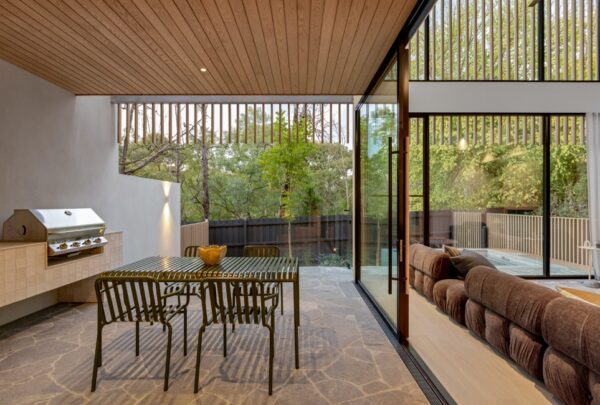
Secret fix systems are commonly used for timber wall and ceiling linings where a more premium, uninterrupted appearance is desired. By eliminating visible fixings, the natural grain, texture and profile detail of the timber become the visual focus.
In addition to aesthetic benefits, secret fix lining can also support faster and simpler installation, particularly when combined with end matched boards. The system is widely specified across residential, hospitality and commercial interiors for applications including feature walls, ceilings and architectural detailing.
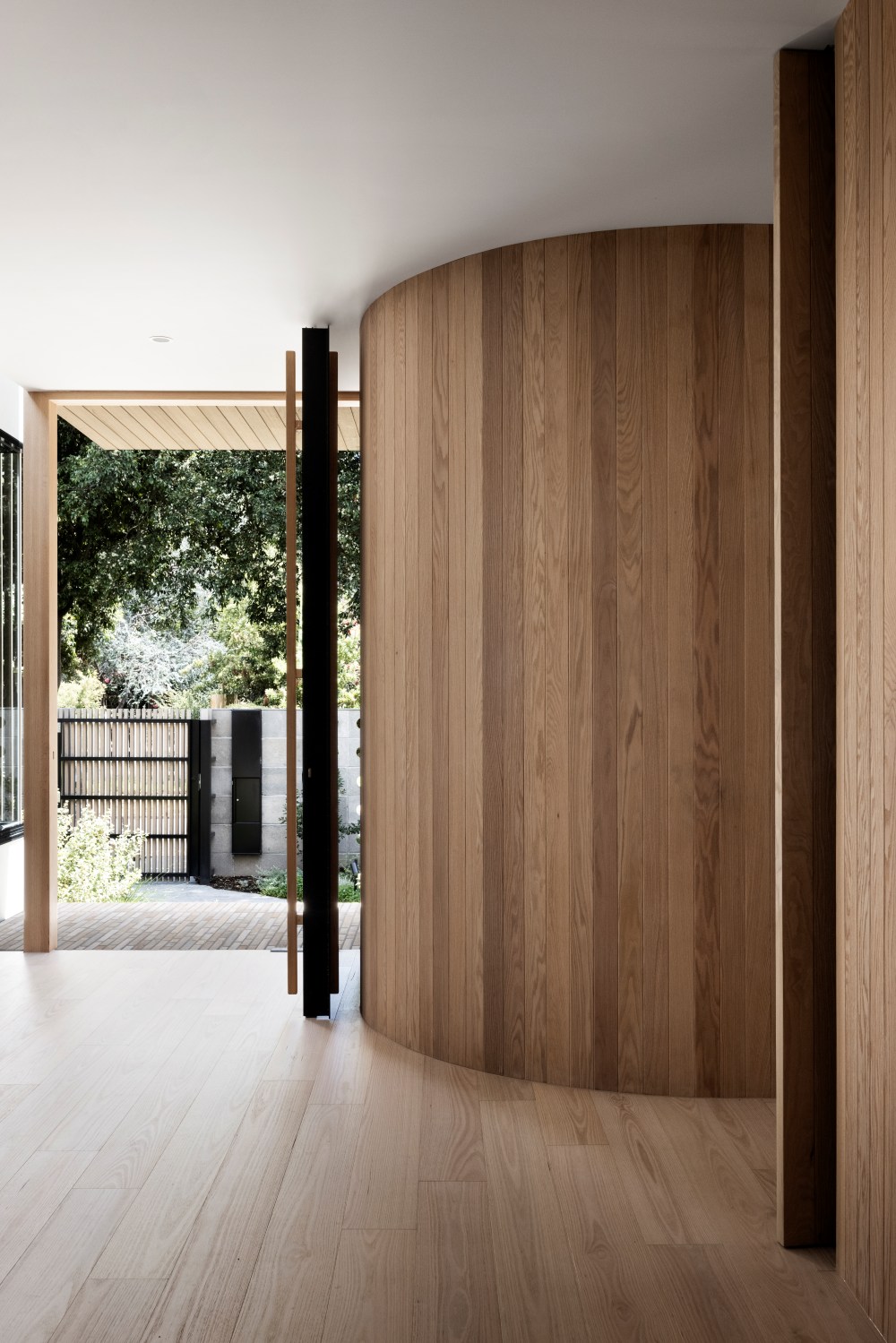
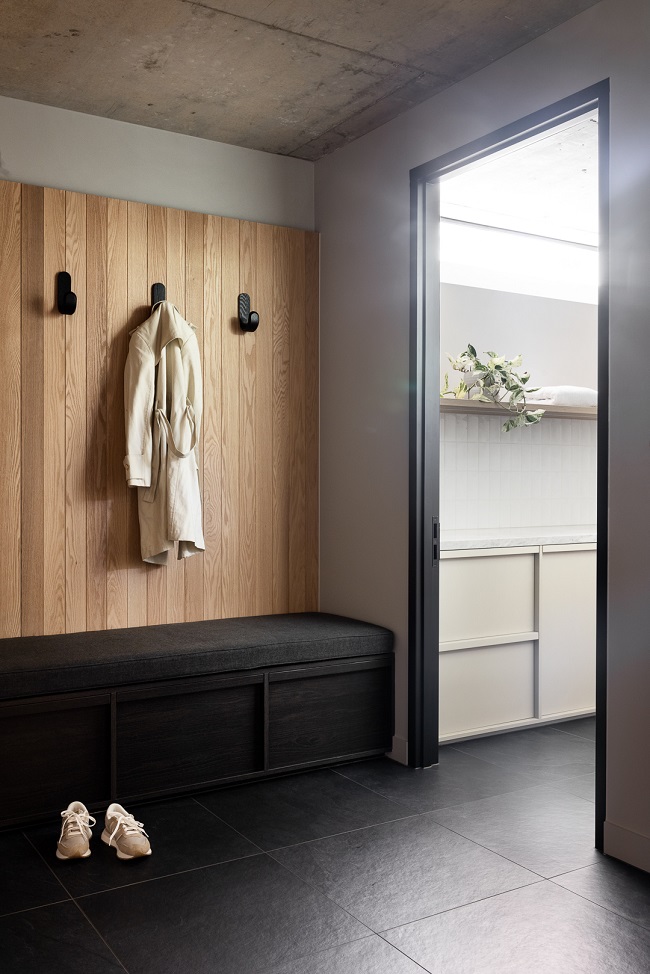
Reversible shiplap/VJ lining features two distinct profile faces on a single board.
One side presents a clean shadow-lined shiplap appearance, while the reverse offers the classic detail of VJ (V-joint) panelling. This dual-purpose design provides flexibility during installation, allowing the choice of either a contemporary or more traditional aesthetic.
Combined with the uniform texture and consistent blonde tones of Glacial Oak, the result is a highly adaptable timber lining suitable for a wide range of architectural applications.
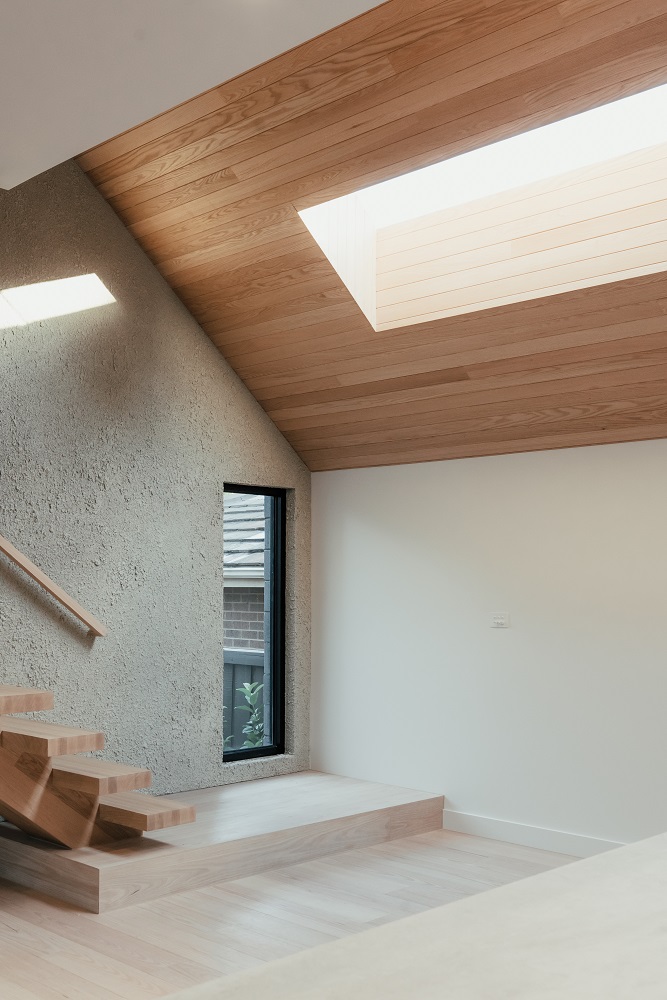
Timber lining is often specified for its material authenticity, surface variation and ability to introduce warmth and texture into interior spaces in a way that many synthetic or composite alternatives cannot achieve. Unlike printed or synthetic finishes, natural timber contains inherent grain variation, tonal interest and tactile qualities that change subtly across each board and continue to develop over time.
From a design perspective, timber can soften spaces dominated by harder materials such as concrete, glass and plasterboard, contributing to a more balanced interior palette.
But one of the key advantages to choosing timber over synthetic alternatives is its sustainability credentials.
Natural timber is a renewable material when sourced from responsibly managed forests (ASH’s Glacial Oak timber is a PEFC controlled source). Trees regrow over time making timber part of a regenerative material cycle. Many man-made products in comparison, are manufactured using non-renewable resources such as plastics, petrochemicals, resins or mineral-based materials that require more energy-intensive extractions and processing.
Timber generally requires less processing energy compared to artificial products like PVC panels, laminate, aluminum or fibre cement which usually have increased embodied energy and associated emissions.
Timber is a natural carbon sink, storing carbon absorbed during growth throughout it’s lifetime which contributes to lower embodied carbon results within buildings.
Timber also has greater end-of-life outcomes, with the ability to biodegrade naturally or be reused, recycled and repurposed into other products as opposed to ending up in landfill.
Indoor environmental considerations should also be made when selecting materials for internal spaces. Depending on the product type and coatings used, some synthetic lining materials may contain higher levels of binding agents, adhesives or volatile organic compounds (VOCs).
Natural timber products can ensure lower-emission interior environments particularly when paired with low-VOC coatings and adhesives.
One of the standout advantages of reversible lining boards is their versatility. Designers can choose between:
The secret fix system conceals nails or screws during installation, resulting in a clean, uninterrupted timber surface. Without visible fixings, the lining achieves a more refined architectural finish that maximises the natural beauty of the timber. This is particularly valuable in high-end projects and interiors where detailing matters.
End matched boards are designed to connect seamlessly at the ends, meaning joins can occur between framing supports without compromising appearance or stability. This offers several installation advantages:
For builders and installers, this can contribute to both time and cost efficiencies on site.
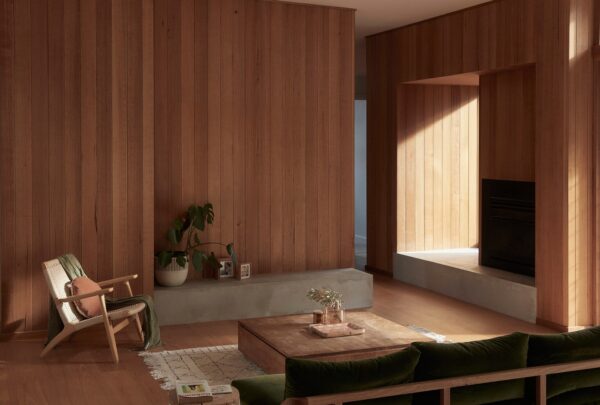
Glacial Oak delivers the timeless appeal of natural timber with a soft, modern colour palette and consistent grain that complements a broad range of interior finishes. Timber linings introduce texture, depth and warmth that painted plasterboard or other materials struggle to replicate and helps curate more inviting and biophilic spaces.
Beyond its visual qualities, timber offers several sustainability advantages compared to composite alternatives. Responsibly sourced timber is a renewable material that stores carbon throughout its lifecycle and generally requires less energy-intensive processing than products such as PVC, laminate or fibre cement. Timber can also be reused, recycled or biodegraded at end of life, while some manufactured lining materials may rely on non-renewable resources and higher-emission production processes. When paired with low-VOC coatings and adhesives, timber can also contribute to healthier indoor environments.
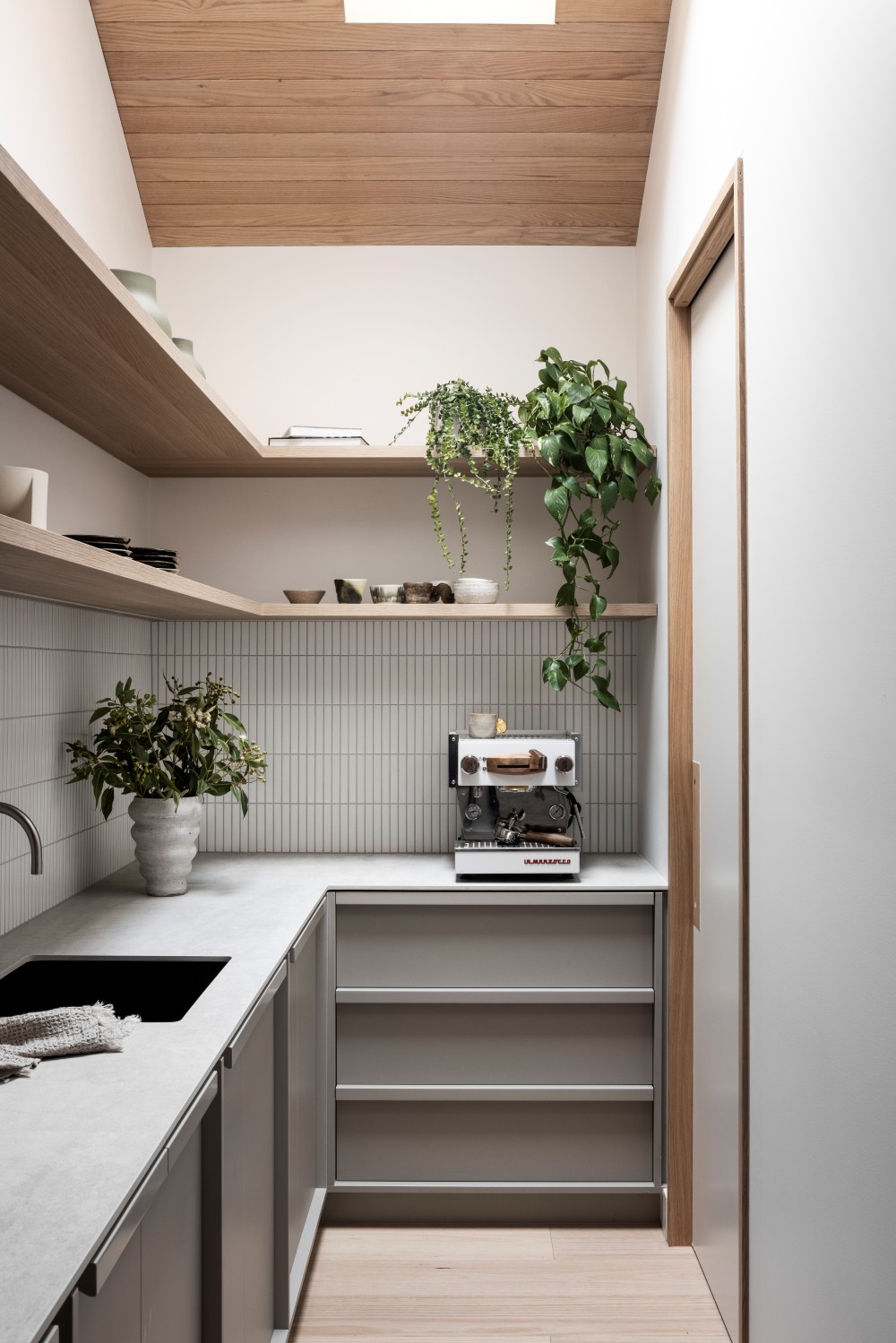
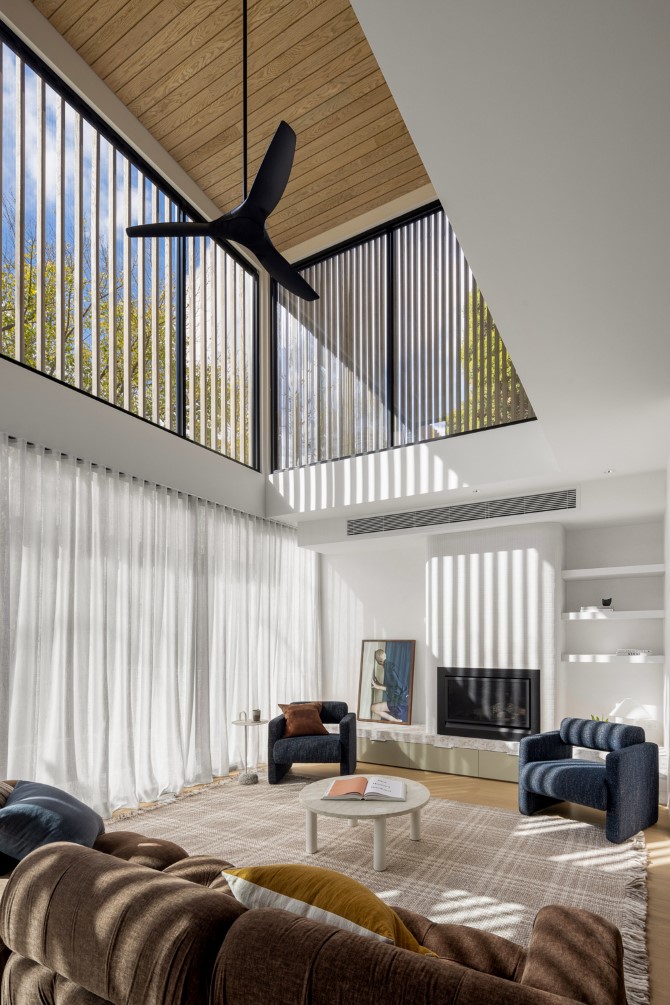
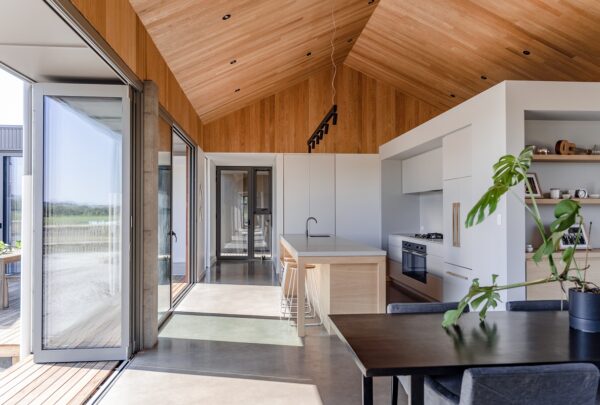
Reversible shiplap/VJ lining is highly adaptable and can be used across walls, ceilings and feature applications in a variety of interior environments. Popular applications include:
Its ability to suit both modern and traditional aesthetics makes it a valuable solution across diverse project styles.
"*" indicates required fields